A Study of Mechanical Intimate Devices for Aging Men
As men age, questions about intimacy often become questions about function, comfort, and confidence. Circulation changes, medication effects, joint stiffness, and slower recovery can all shape whether a device feels helpful or frustrating. This article looks past flashy claims to explain how mechanical intimate devices work, how they are commonly applied, and what outcomes older men can reasonably expect. The goal is practical clarity, not embarrassment, so readers can weigh options with calm judgment.
Outline: this article begins with the reason the topic matters, then moves through device mechanism, application methods, functional results, and practical guidance for choosing safely in later life.
Outline and Why the Topic Matters
Mechanical intimate devices are often discussed in whispers, advertisements, or clinical shorthand, yet aging men usually need something far more useful: plain language, realistic expectations, and a sense that comfort matters as much as performance. That is why the topic deserves careful study. Older adults may be navigating erectile changes, reduced hand strength, back or hip pain, post-surgical recovery, or medication side effects. In that setting, a device is not simply a novelty. It can be a tool for preserving autonomy, reducing frustration, and helping intimate life remain manageable and dignified.
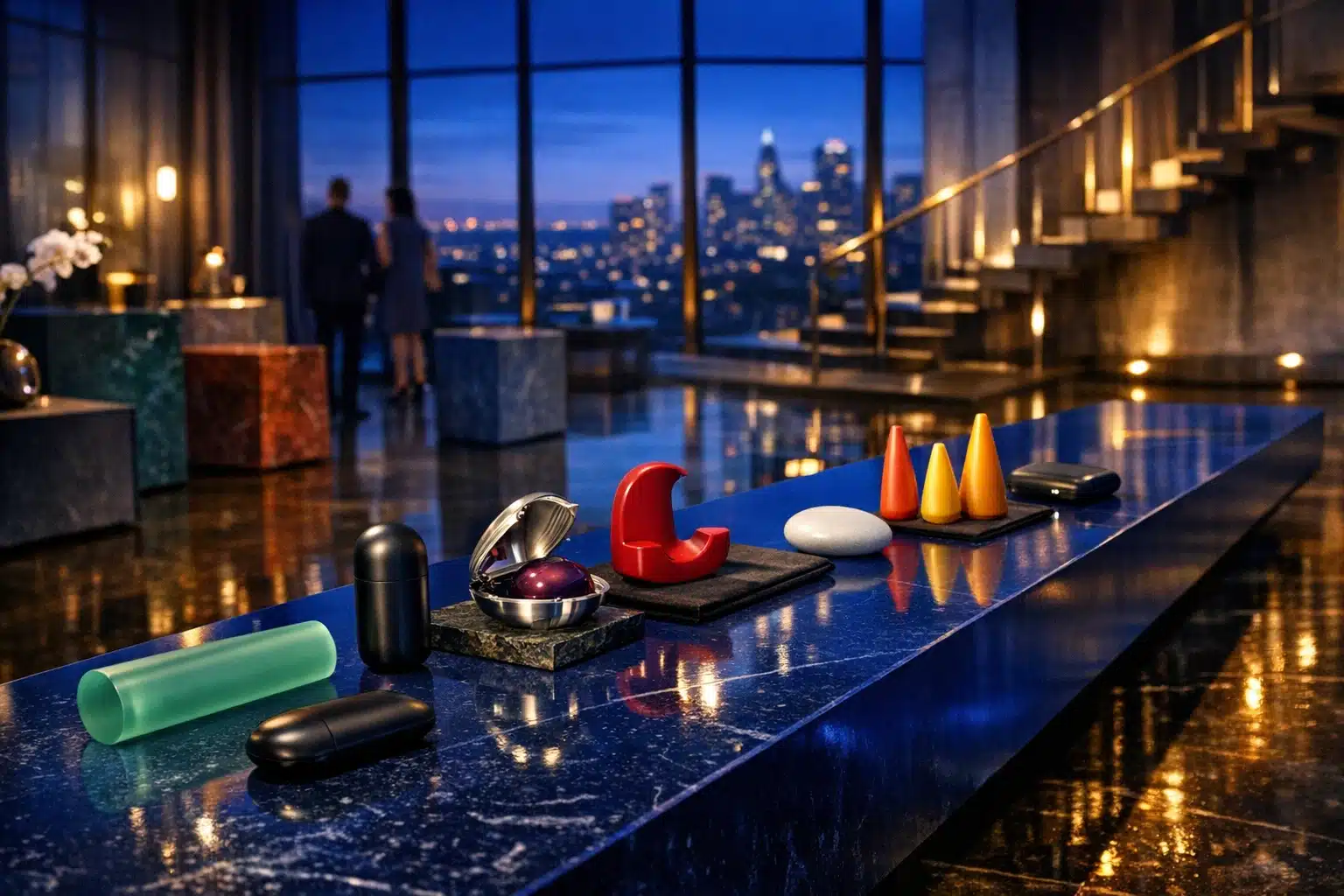
An overview of the functional intimate devices chosen this season and how they might be utilized by seniors to support better health and comfort.
That broad idea includes several different categories, each serving a different purpose. Some devices are designed to support erection quality through mechanical assistance. Others focus on stimulation, comfort, or positioning. Some work indirectly by training the pelvic floor or by reducing strain on the body during partnered activity. In practical terms, the field is less about one “perfect” product and more about matching a design to a person’s changing needs.
A useful outline for readers is this:
• First, understand the mechanism, because knowing how a device works usually predicts how easy it will be to use.
• Second, look at application methods, since setup, cleaning, grip, and timing matter a great deal for older users.
• Third, examine functional results, not in terms of miracle outcomes, but in terms of comfort, consistency, confidence, and satisfaction.
• Finally, compare safety, durability, and body-friendly design before making any purchase.
Research in men’s health consistently shows that age-related sexual changes are common, not exceptional. Erectile dysfunction becomes more prevalent with age, especially when cardiovascular disease, diabetes, prostate treatment, or neurological conditions are part of the picture. Yet prevalence does not erase individuality. One man may need a simple, low-effort assistive tool, while another may prefer a device that offers more control or stimulation. There is also a quiet emotional layer here. A well-chosen device can remove pressure from a moment that otherwise feels clinical or disappointing. In that sense, mechanics and mood are not separate tracks; they meet in the lived experience of the user.
Device Mechanism: How Common Intimate Devices Work
Understanding mechanism turns a confusing product category into a much clearer map. Most mechanical intimate devices for aging men fall into a few functional groups. Vacuum erection devices, for example, use controlled negative pressure. A cylinder fits over the penis, and a manual or motorized pump reduces air pressure inside the tube. That pressure difference encourages blood to flow into erectile tissue. In many cases, a constriction band may then be used at the base to help maintain firmness for a limited period, following manufacturer directions and clinical advice. The mechanism is straightforward, but its effectiveness depends on fit, sealing, pressure control, and user comfort.
Vibratory devices work differently. Rather than altering blood flow through suction, they apply rhythmic stimulation to tissues and nerves. For some users, the benefit is primarily sensory: improved arousal, easier responsiveness, or more reliable stimulation when natural sensation has become muted. In some rehabilitation settings, vibratory stimulation is also discussed after prostate procedures or in neuro-urological care, though results vary and should not be assumed. The underlying principle is neuromuscular and sensory engagement rather than pressure-based support.
Another useful category includes positioning aids and support cushions. These may not look “mechanical” in the traditional sense, but functionally they are assistive devices. Their mechanism is biomechanical: they redistribute body weight, change angle, reduce pressure on joints, and help users maintain a comfortable posture for longer. For men with arthritis, lower back pain, or reduced hip mobility, that may matter as much as erectile support itself. An intimate moment can be derailed by a sore shoulder just as quickly as by poor circulation.
Pelvic floor trainers and biofeedback tools operate on another level entirely. Rather than acting during intimacy, they help users strengthen or better coordinate muscles associated with urinary control, pelvic support, and sometimes erectile function. Some devices provide feedback through pressure sensors or guided exercises. Their mechanism is closer to physical therapy than to stimulation, and that distinction matters. They tend to produce gradual results through repetition, not immediate change.
When comparing mechanisms, older men often benefit from asking practical questions:
• Does the device require strong grip or fine finger movement?
• Is it quiet, simple to charge, and easy to clean?
• Is the material nonporous and comfortable against sensitive skin?
• Does the device offer adjustment rather than a one-setting-fits-all approach?
The quieter truth is that mechanism predicts experience. A pump may deliver strong functional support but require more setup. A vibrator may be easier to use but less structurally helpful. A cushion may seem simple, yet for a man with chronic pain it can transform the entire experience. The right mechanism is not the most dramatic one; it is the one that fits the body standing in front of it.
Application Methods: Practical Use, Fit, and Routine
Application methods matter because even a well-designed device can become frustrating if the routine is awkward, tiring, or unclear. For aging men, the best method is usually the one that reduces physical effort while maintaining control. The first step is always selection and familiarization. Before use, many clinicians and product educators advise reading the manual fully, checking the material list, charging the device if needed, and testing controls by hand. A device that feels intuitive in daylight and without time pressure is more likely to feel manageable in a real intimate setting.
Vacuum devices generally require the most structured setup. Users typically begin by choosing a correctly sized cylinder and ensuring a good seal. Some men find that a small amount of compatible lubricant around the rim improves comfort and helps prevent air leakage. Pumping is usually gradual rather than forceful. Quick pressure changes can be uncomfortable, particularly for users with fragile skin, reduced sensation, or anxiety about the process. If a constriction band is part of the system, it should be used only according to instructions and not for extended periods. Many medical references note that prolonged use can raise the risk of numbness, bruising, or skin changes.
Vibratory devices are often simpler to apply. Common advice includes starting at a lower intensity, choosing a shape that is easy to hold, and pausing to assess comfort instead of assuming stronger is better. Men with neuropathy, very thin skin, or post-surgical sensitivity may prefer shorter sessions and softer materials. Positioning aids are even more straightforward, but placement still matters. A cushion under the hips, behind the lower back, or supporting the knees can change pressure distribution and reduce fatigue. Sometimes the smallest adjustment creates the largest sense of relief.
For pelvic floor tools, consistency usually matters more than intensity. Short, regular practice tends to be more sustainable than ambitious routines abandoned after a week. Biofeedback features can be especially helpful for men who are unsure whether they are engaging the right muscles. That uncertainty is common, and a good training aid can make invisible muscle work feel more concrete.
Several habits improve application across categories:
• Clean the device before and after use with manufacturer-approved methods.
• Inspect for cracks, worn seals, or failing batteries.
• Use only compatible lubricants if the device calls for them.
• Stop immediately if there is pain, marked discoloration, numbness, or skin injury.
Application is where design meets real life. Large buttons, readable labeling, simple charging docks, and sturdy grips are not glamorous features, but they often determine whether a device becomes useful or remains in a drawer. In later life, ease is not a luxury; it is part of function.
Functional Results: What Users Can Realistically Expect
Functional results are best judged in layers rather than in all-or-nothing terms. Many men approach intimate devices hoping for a return to how things worked decades earlier, but that expectation can be unfair to both the body and the product. A more realistic measure asks whether the device improves comfort, reliability, confidence, and the ability to enjoy intimacy with less frustration. In that framework, even modest changes can be meaningful.
Vacuum erection devices often show the clearest short-term functional effect. Clinical literature has long described them as a non-drug option that can help many men achieve sufficient rigidity for sexual activity, particularly when vascular changes, medication issues, or post-prostate treatment recovery are involved. That said, satisfaction rates can vary. Some users appreciate the consistency and independence; others dislike the preparation time, the sensation, or the mechanical feel. Functionally successful does not always mean emotionally preferred, which is why reviews from older men often focus on ease, comfort, and spontaneity as much as on firmness.
Vibratory devices may produce a different kind of result. Rather than replacing a lost function outright, they can improve stimulation quality, shorten the time needed to reach arousal, or help when natural sensation has become less predictable. For some couples, the benefit is not dramatic but cumulative: less pressure, less guessing, and a more relaxed pace. Results can also vary depending on nerve sensitivity, medications, and expectations. A device that feels underwhelming in a marketing video may still be genuinely helpful in a quieter, real-world setting.
Positioning aids create results that are easy to underestimate until pain or stiffness enters the picture. Better joint support can reduce interruption, preserve energy, and allow intimacy to feel less like a physical obstacle course. Men with back pain, knee limitations, or hip arthritis may notice that comfort gains improve confidence indirectly. If the body is not bracing against discomfort, attention can return to connection.
Pelvic floor training devices tend to offer the slowest but sometimes broadest functional changes. Evidence suggests that targeted pelvic floor work may help some men with urinary leakage and mild erectile difficulties, especially when practiced regularly over time. The results are usually incremental, not cinematic, but steady improvement can be valuable.
A practical way to evaluate outcomes is to track:
• comfort during use,
• ease of setup,
• confidence before intimacy,
• consistency from one attempt to the next,
• and whether the device reduces stress for the user or partner.
In the end, the best result is not perfection. It is a more workable, less discouraging intimate life.
Choosing Safely in Later Life and Final Guidance for Aging Men
Choosing a device in later life should feel less like shopping for novelty and more like selecting a useful health-adjacent tool. Safety, ergonomics, and realistic goals matter most. Men living with heart disease, diabetes, neuropathy, arthritis, or recent pelvic surgery may have perfectly reasonable interest in intimate devices, but they also have more variables to consider. A device that requires forceful pumping, tight gripping, sharp visual focus, or long setup times may look impressive online yet perform poorly in everyday use. On the other hand, a quieter, sturdier, simpler model may fit aging hands and aging routines far better.
Material choice is part of safety. Nonporous surfaces such as medical-grade silicone, stainless steel in certain products, or sealed ABS plastic are generally easier to clean than porous alternatives. Cleaning matters because older skin can be more delicate and more prone to irritation. Controls matter too. Large buttons, readable icons, and stable charging systems are not small details for someone with reduced dexterity or eyesight. Noise can also influence whether a device feels comfortable to use in a shared home, assisted-living environment, or multi-generational household.
It is also wise to think about the context of use. Some men use devices alone; others use them with a partner. In partnered settings, the most successful choices often support communication rather than replacing it. A support cushion may reduce strain for both people. A gentle vibratory device may allow exploration without pressure. A vacuum device may be effective, but it may also require a bit of patience and planning. There is no shame in that. In fact, many older couples do better when spontaneity is replaced by ease and cooperation.
Before buying, readers can ask a few grounded questions:
• What problem am I trying to solve: firmness, sensation, positioning, or muscle control?
• Do I need a simple manual design or would powered assistance help?
• Can I clean and store this easily?
• Should I discuss this with a urologist, pelvic health therapist, or primary care clinician?
Medical input is especially sensible if there is pain, significant penile curvature, unexplained numbness, blood thinner use, severe skin fragility, or recent surgery. A professional can help rule out conditions that no device should be expected to fix. That point is worth emphasizing for older men: these products may support function and comfort, but they are not substitutes for diagnosis when something has changed suddenly.
For the target audience of aging men, the most practical conclusion is simple. Choose devices that respect your body as it is now, not as it was twenty years ago. Favor comfort over bravado, clarity over hype, and usability over novelty. When selected thoughtfully, functional intimate devices can offer support, confidence, and a steadier sense that intimacy remains part of life rather than something left behind.